
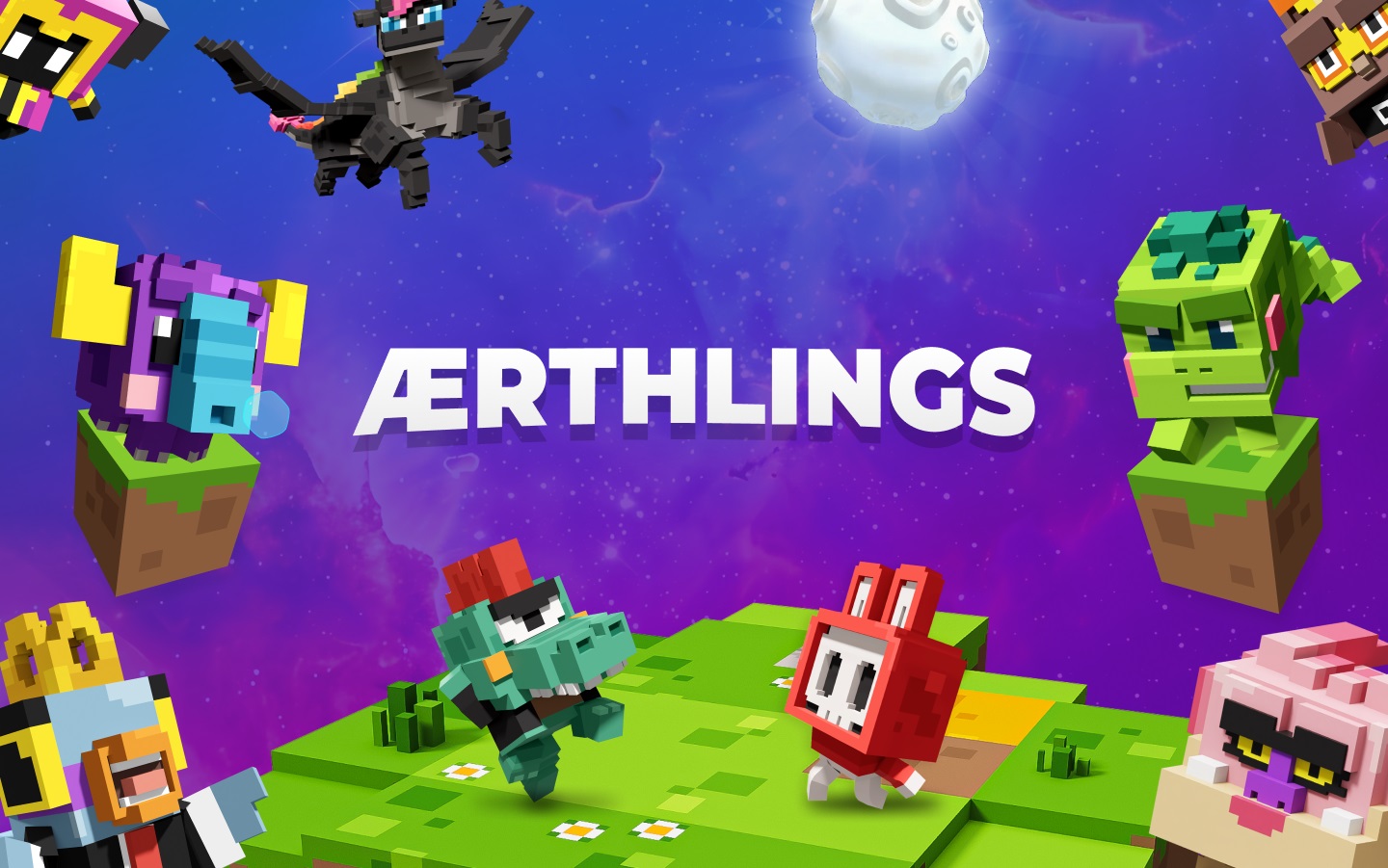
Available on: Mobile
Played on: Samsung Galaxy (Android)
When I think of the toys-to-life genre, I think of Skylanders, Disney Infinity, maybe a little LEGO Dimensions – all of which sadly died out around a decade ago. Aerthlings reinvents the genre for a modern gaming audience: mobile platform, voxel art style, crafting and exploring, and mystery box figures that double as keychain accessories.
The results are somewhat mixed, with innovative ideas hampered by unexciting figures, and gameplay that tries to do too much, and not enough.
Read on for our review of Aerthlings!
Eco-Warriors
The Aerthlings video game is entirely free to download and play on mobile. In fact, I was pleasantly surprised by how little the game pushed me to spend any money: there are no ads, no timers, no random gachas that free mobile gamers often deal with.
You don’t even have to purchase a physical figure to play; starting a new game grants the Lennisaur Fig, a green dino dude, as a free digital starter.
The distinction between digital figures and physical ones is simple: digital figures can never be traded, limiting their growth and potential (more on this later). But, digital figures are a nice option to have.
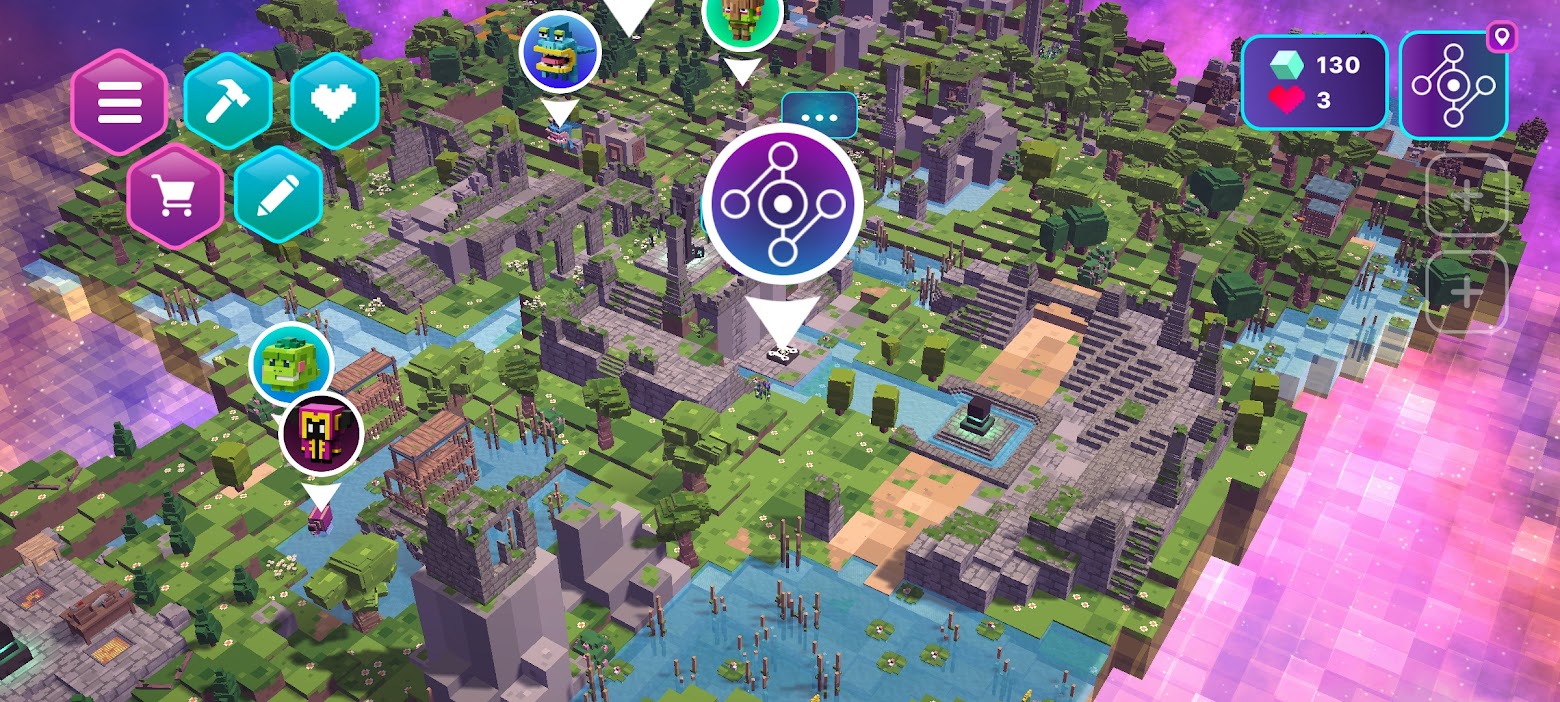
The world of aerthlings keeps growing and growing as you add new pieces
The game world is initially presented as a small, 3D space with some trees and rocks for mining, and evil Moonlings to destroy. There’s a few NPCs to explain what I’m supposed to be doing: restoring damaged chunks of the world using gathered resources, earning hearts, and using those hearts to unlock and expand the world one area at a time (playfully called “chonks”).
Enemies are few and far between, and each Aerthling only has a single attack. Lennisaur can bash forward for some solid damage and knockback. Later I unlock another free digital figure, Treep, who can attack at range with his slingshot. The auto-targeting for ranged attacks is especially helpful with mobile controls, but melee attacks are trickier given the annoying and constant change in elevation through the world.
Characters can’t jump. Instead, I can terraform the world one square at a time, which I found tedious, especially as an adult who doesn’t play Minecraft on their phone. During one timed Challenge (which prevented terraforming), I nearly threw my phone across the room from trying to navigate around cliffs and a bounce pad while being pelted by ranged attackers.
The game also emphasizes crafting much more than I expected. I end up chopping trees and mining stone even more often than battling monsters. Not terribly exciting.

There’s plenty of space to craft and change the world
Instead of a full crafting menu or familiar inventory UI, much of the crafting is done through the Request system, which constantly generates little quests to complete. These quests mostly involve building certain objects, like tables or houses, or planting a new berry bush. By plopping down a crafting station, I can then build other objects nearby, as requested. Completing these quests grants additional hearts, which are needed to expand the map and unlock new content.
I wasn’t super thrilled with the crafting portion, nor am I the kind of player who enjoys meticulously reshaping and decorating the world. I mostly just wanted to play around with my blocky little guys.
Mini Figs
Since digital figures exist, purchasing the physical figures is entirely optional — another surprising twist on the toys-to-life formula. Each physical figure runs $10, and is shockingly tiny, about twice the size of dice from a board game. Instead of competing with action figures or toys, they’re the size of keychain accessories. In fact, each figure actually comes with a miniature lanyard, which is impressively colored to match the figure.
The Figs have a rubbery texture, and easily fit in the palm of your hand.
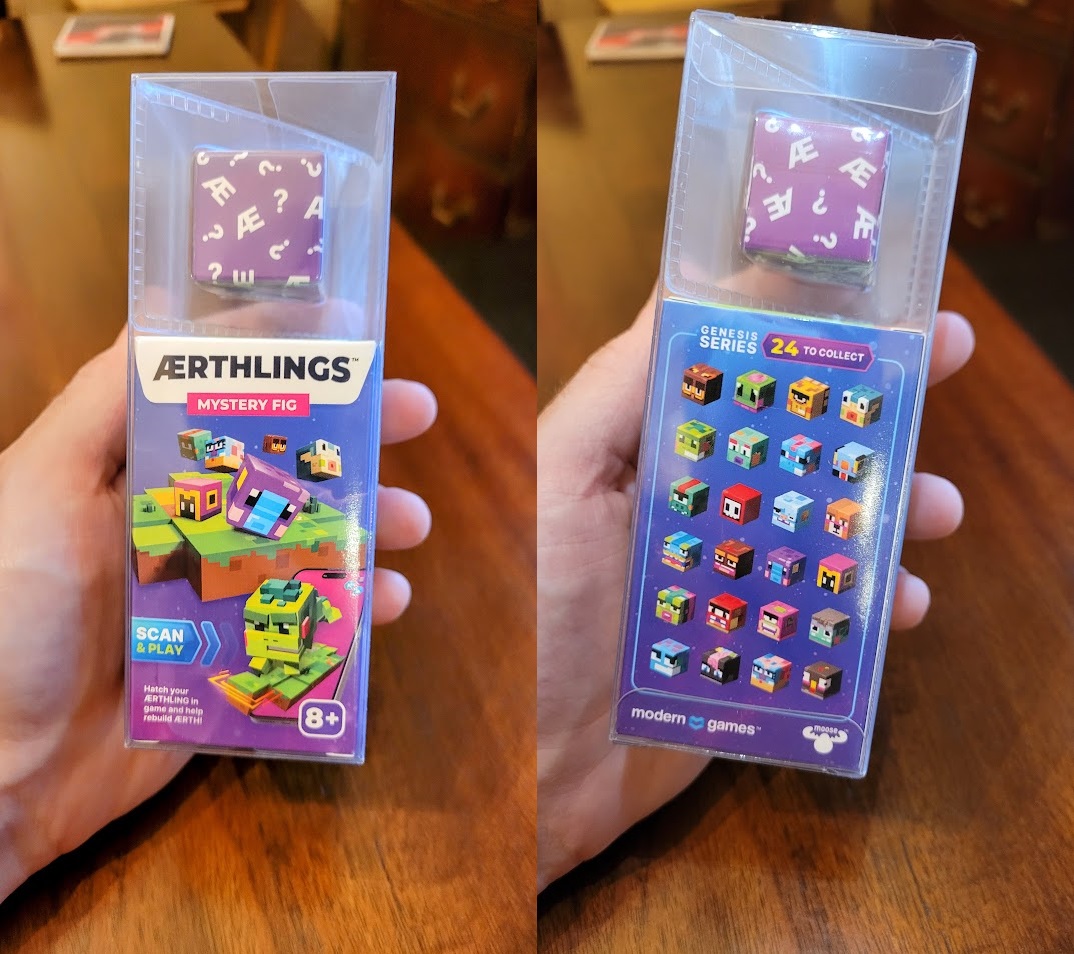
The Mystery Fig boxes are tiny, like their figures
As part of this review, we were sent three Figs to open. The packaging for the square Fig is sealed in plastic, requiring scissors, with the lanyard in the larger box below.
After opening, the Fig can be easily scanned using the Scan menu, or by visiting one of the scanning spots in the game world.
Important note: You must register an account in game to scan figures. I made the mistake of first playing as a guest for awhile, and then once registered, I lost all my initial progress, and had to start over.
Of the three Mystery Figs, we unboxed Konjuri, Mouthster, and Chick-a-Boom. The first two are rated as Epic creatures for their rarity, but they didn’t feel particularly strong compared to the Common or Rares.
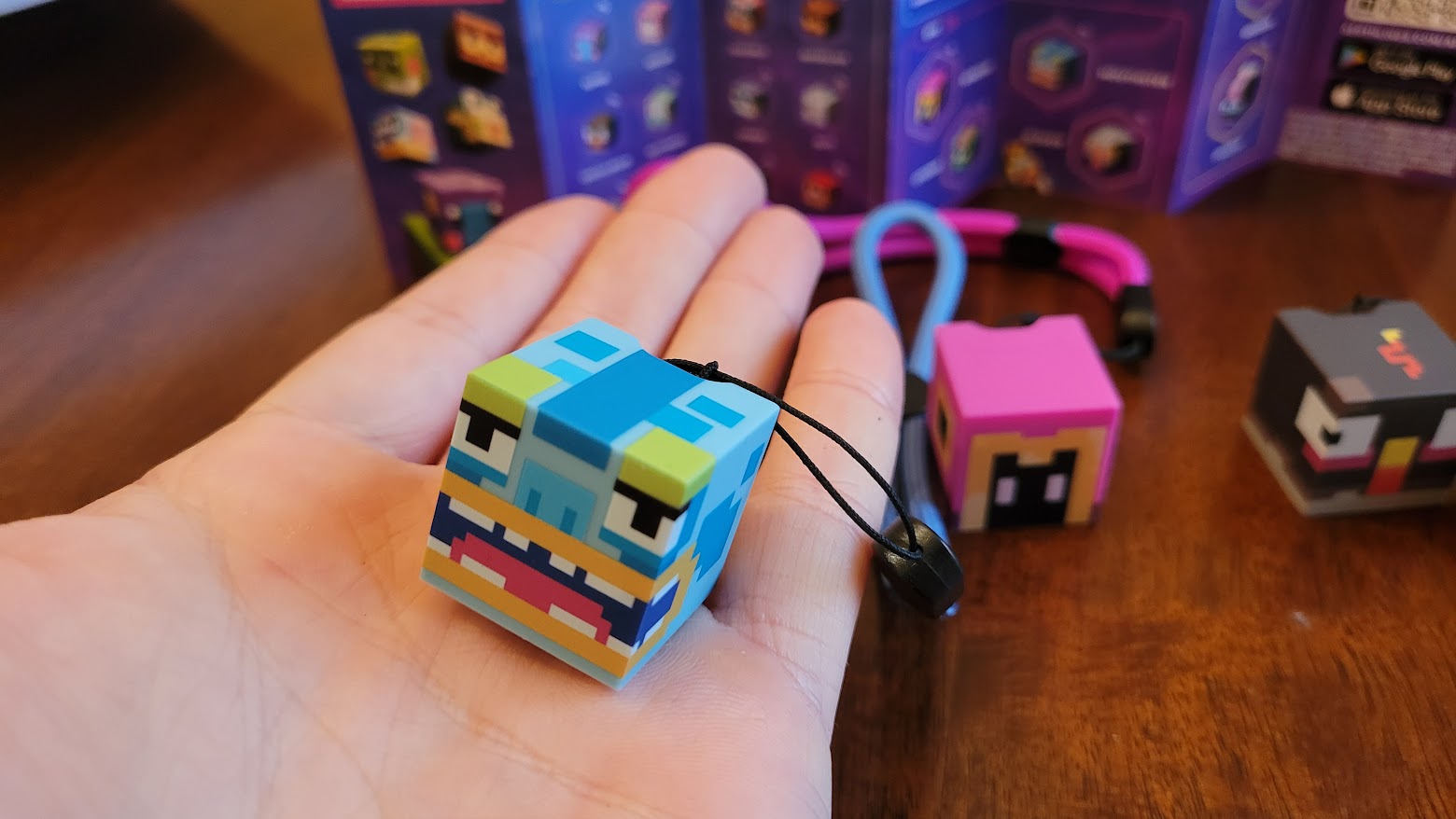
The cubed Figs resemble oversized, rubbery dice
In fact, I found Konjuri downright frustrating, as its only attack is to curse enemies, inflicting a poison that slowly deals damage over time. The problem is that Konjuri has to touch them up close, putting the Fig in harm’s way. And the game isn’t nice about targeting in melee, as I constantly missed moving targets. It was always easier to simply knockback enemies with Lennisaur’s Bash attack, or shoot them to death from afar with Treep.
In addition to their own unique attack, each Fig has different stats, including how fast they can gather certain resources. Konjuri was a champ at gathering berries, making it a decent choice to tag along.
Aerthlings don’t have to go at it alone. Players form squads of up to three Aerthlings in their party, and can easily swap between them (with the others acting as NPC allies). I could pair Konjuri with the beefier Mouthster and Lennisaur for a much more effective combo in combat.
Building a full team is much more fun than running around as a single character, and I hope future toys-to-life games follow suit.
Gotta Trade ’em All
Although each physical Fig matches their appearance on the collector’s page, they appear slightly different in-game. This is by design, as each figure is wholly unique, and makes getting duplicates a bit less painful.
For example, Konjuri’s earrings and robes have different patterns, while Lennisaur has different hair that comes in a multitude of colors.
Each figure also has a one to five star rating that’s randomly generated upon their addition to the game, with the higher star rating granting bonuses to their stats.
We witnessed these changes first hand thanks to trading, another unique addition to Aerthlings.
Unlike Skylanders, which required constant connection and updates with the physical figure, Aerthlings’ Figs are one-and-done. Once scanned, Figs are added to your roster forever — including if you decide to trade them away to another player.
The game actually encourages players to trade their physical Figs, as a traded Fig receives Mutaetion points that unlock passive buffs.

As a five star figure, my Konjuri gets extra stat boosts
The original owners of the Figs have to consent to the trade in-game. And no, you can’t simply trade the same Figs back and forth to earn unlimited Mutaetions! However, as that Fig continues to be traded and used by others, the original owner continues to earn those unique buffs. Pretty neat!
A traded figure generates its own unique look, and could feature a different star rating. My daughter’s Mouthster was a 3-star, while mine was slightly weaker with only one star (I don’t believe there’s a way to increase the star rating; it’s just luck of the draw).
I do love the trading concept, and that the physical Figs unlock the digital creature, rather than constantly requiring it. Since the figures are so small (and wearable), I can see trading Figs becoming a big hit during gaming conventions, or scheduled events at game stores.
Of course, a digital Fig can never be traded, making the physical versions strictly better if you have people to trade with.
On the other hand, mystery boxes are a red flag for many gamers, often compared to gambling for kids (and gaming adults). You never know what kind of Fig you’ll end up with, and $10 is a rather steep asking price for a random keychain-size figure.
The Rating
Aerthlings has been rated E for Everyone by the ESRB, with Mild Fantasy Violence and In-game Purchases. The physical figures are packaged with an age rating of 8+.
The Takeaway
I enjoyed a lot about Aerthlings, with interesting figure trading, an ever-expanding world, and more open-ended gameplay. But I was often left frustrated by the mobile game controls, tedious terraforming, and simplistic battling that too often took a backseat to resource gathering. As a free mobile game, Aerthlings is an impressive offering, but as a modern toys-to-life RPG, I expect more.
Let us know what you think of our Aerthlings review on social media, and sign up for our weekly newsletter!