
Xbox announced a massive organizational reset — never words you want to hear as a corporate employee. The announcement, made this week by Xbox CEO Asha Sharma, cuts 3,200 staff, or around 20% of the total Xbox development team.
I know this is painful. These changes will directly affect people who have poured their creativity into building XBOX. Many joined us through acquisitions, while others were recruited here, or sought us out because they loved this industry and loved XBOX. Today’s decisions do not reflect their talent or dedication.
Our business today is not healthy. We are operating at margins that are 3–10x lower than comparable platform and publishing businesses. We entered Gen 9 with a smaller install base and a higher cost structure. To grow, we bet on Game Pass, multi-platform, and a broader portfolio of content. While those businesses have created meaningful value, they did not grow at the pace we expected. As that happened, our core business weakened, and we added more teams, more investment, and more time, hoping for a better outcome. And now the industry is facing the most severe hardware crisis in its history. We must reset XBOX.
In addition, four studios formerly under the Xbox label will leave for new management.
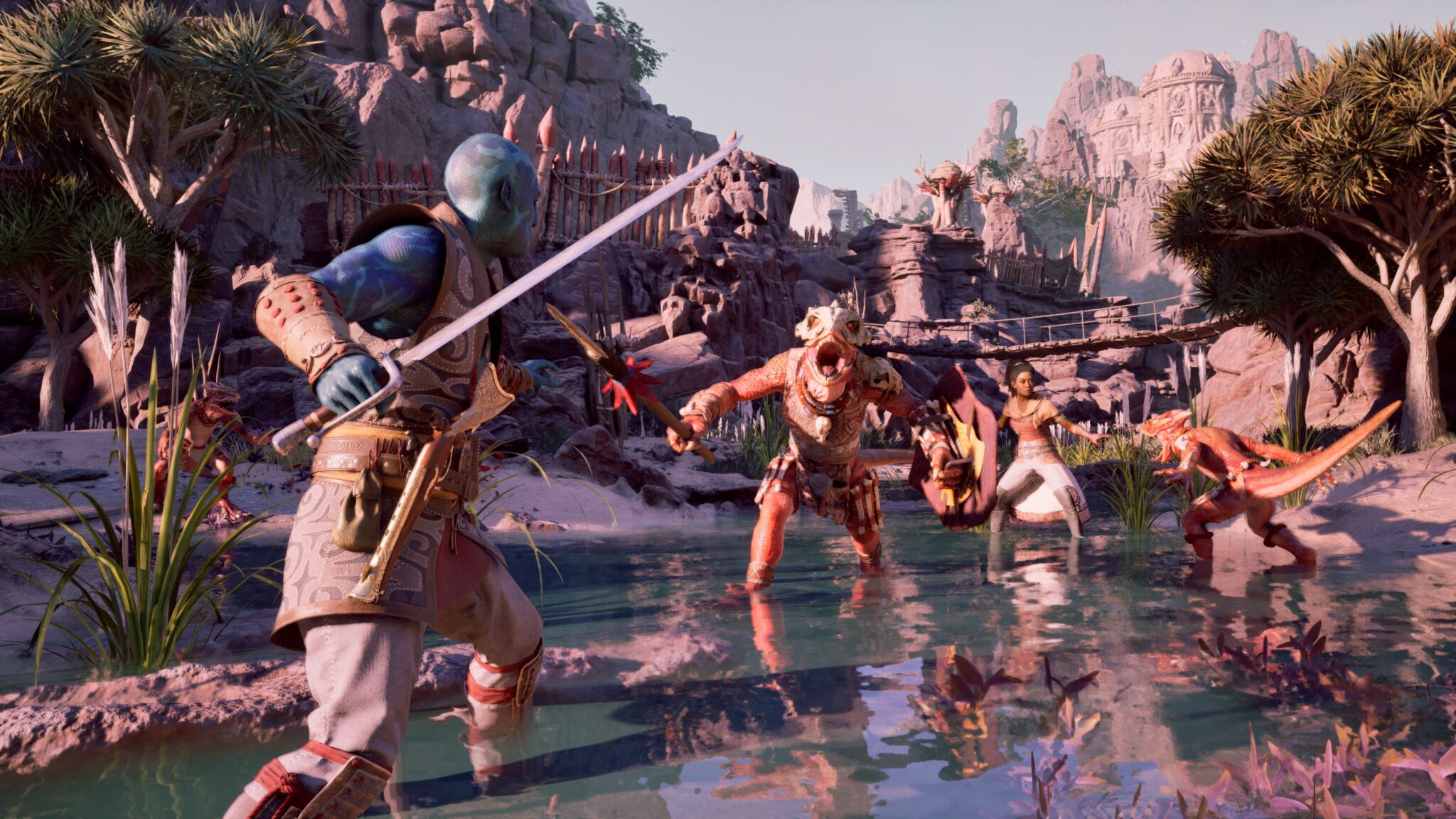
Compulsion Games and Double Fine will return to independent studios, and retain their IP and games. Compulsion Games released cinematic action-adventure game South of Midnight in 2025, while prolific and quirky developer Double Fine released solo adventure Keeper in 2025, and multiplayer team brawler Kiln earlier this year.
Ninja Theory and Undead Labs are joining new ownership. Sharma’s announcement confirms that their highly-anticipated in-development games, Senua and State of Decay 3, will receive funding to complete.
Layoffs will also affect Activision, Bethesda, Blizzard, King, Mojang, and Xbox Game Studios, though no announced games are being cancelled at this time. Obsidian Entertainment has also reported large-scale layoffs.
Sharma reveals that Mojang (Minecraft) and King (Candy Crush mobile games) are the “largest by monthly active players,” and will now report directly to her.
These changes are about a bigger future for XBOX, not a smaller one. The next decade of gaming will be larger, more global, and more creative than anything we’ve seen before. This year, we’ll invest as much in XBOX as we ever have, but we’ll invest with greater focus, greater discipline, and greater clarity, all in service of making XBOX where the world plays and creates.
At E3 2018, Microsoft infamously announced the acquisition of over half a dozen new studios (including Compulsion, Ninja Theory, and Undead Labs) in an aggressive attempt to create their own first-party ecosystem for Xbox (Double Fine soon followed in 2019).
We now find ourselves competing not only with the largest publishers, but also with smaller independent studios. It is neither possible nor desirable to own every great independent studio. We have also learned that we are not the best home for every type of studio; in a typical year, we lost 64 cents for every dollar we invested. As we reset XBOX, we will help independent creators succeed by providing open development tools and audiences to realize their vision.
[…] XBOX has many of the most beloved franchises in entertainment history, talented studios around the world, and we will return to growth in 2027. History is full of companies that mistake longevity for inevitability. We will not be one of them.
Big games from Xbox studios over the last few years such as South of Midnight (Compulsion), Starfield (Bethesda), or Avowed (Obsidian) failed to move the needle with audiences. Gamers often complain about franchise fatigue and endless sequels, but sales prove almost the opposite: it’s tough for completely new IP and stories to make headway versus another Call of Duty.
Unless of course, you’re an indie studio committed to simple yet effective ideas.
Despite the layoffs and rising cost of hardware, Microsoft and Team Xbox remain committed to Project Helix, their next console that aims to become a PC-console hybrid.