
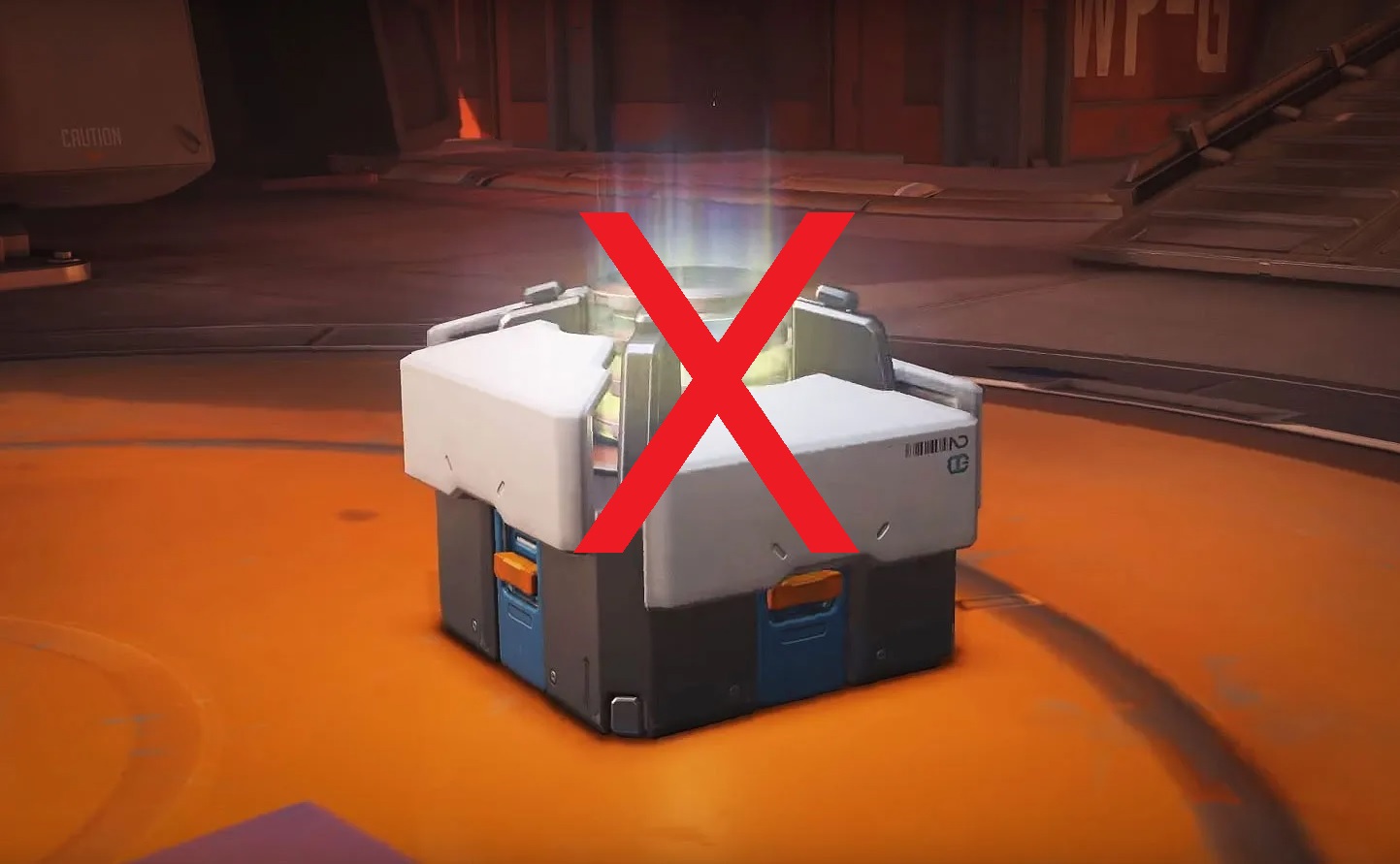
Brazil is banning the sale of loot boxes aimed at minors. As reported by Eurogamer, Brazilian president Luiz Inácio Lula da Silva has officially signed the loot box ban into law. The ban goes into effect in March 2026.
This Law provides for the protection of children and adolescents in digital environments and applies to all information technology products or services aimed at children and adolescents in the country or likely to be accessed by them, regardless of their location, development, manufacture, supply, marketing and operation. [translated by Google]
Loot boxes, or “reward boxes,” are defined in Chapter I, Article 2, Section IV: functionality available in certain electronic games that allows the player to acquire, upon payment, consumable virtual items or random advantages, redeemable by the player or user, without prior knowledge of their content or guarantee of their effective usefulness.
The full ban on loot boxes is laid out in Chapter VII. The law also demands compliance with safeguards for any interactions between minors.
Brazil isn’t the first country to ban loot boxes; Belgium was way ahead of the curve back in 2018, which banned the sale of loot boxes to everyone, not just minors, comparing them to a form of gambling. Other countries set purchase limits (China), or require more details such as item odds and drop rates (South Korea). In Australia, any game with simulated gambling, including loot boxes, gets an R18 (M rating).
Overwatch is one of the most famous example of literal loot boxes, while FIFA is one of the most profitable (and seemingly predatory) with its player-collecting Ultimate mode. Not to mention countless mobile games and gacha games.
Public opinion has soured on loot boxes in recent years, and Overwatch 2 eliminated them when it released in 2023 (eventually bringing them back, but only with in-game currency). In the United States, Genshin Impact developer MiHoYo was forced to settle with the Federal Trade Commission over the sale of loot boxes to minors earlier this year.
I think most of us agree that free-t0-play/live service games are perfectly fine when supported by seasonal battle passes, and/or direct in-game purchases.
While not free-to-play, Disney Dreamlight Valley has a premium shop for direct purchases of in-game items, yearly premium expansion packs with lots of content, and seasonal passes that can be purchased to unlock all the content. Like many games, one can play and earn enough in-game currency to shop in the premium shop, and purchase the seasonal pass.