
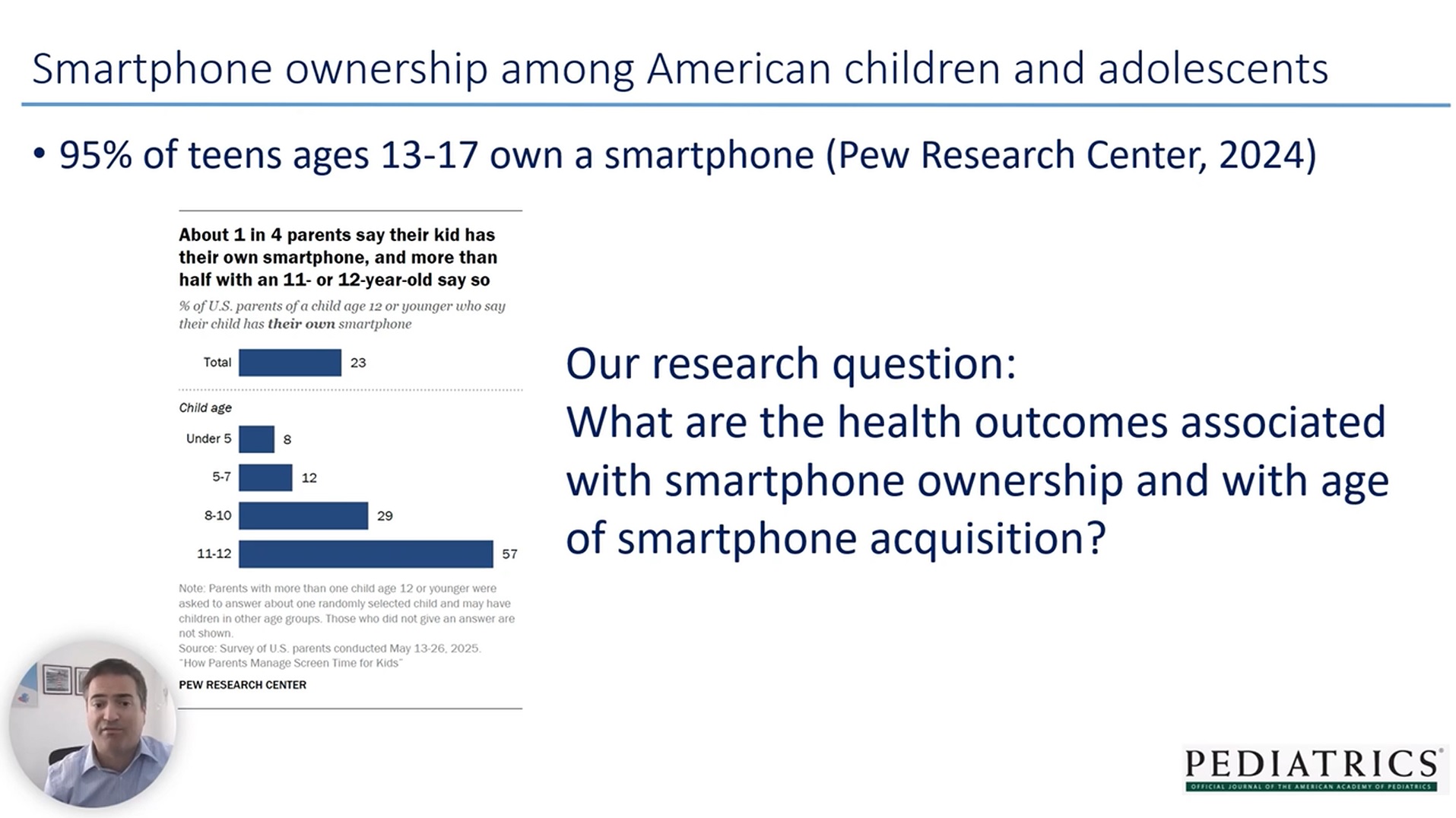
A new study published in medical journal Pediatrics found that smartphone ownership in early adolescence is linked with increased risks of depression, obesity, and insufficient sleep.
The study was conducted by researchers at the Children’s Hospital of Philadelphia (CHOP), in collaboration with the University of California, Berkeley, and Columbia University in New York. Data from over 10,000 adolescents was collected between 2018 and 2020 via the Adolescent Brain Cognitive Development study.
At 12 years of age, the research found that smartphone ownership was associated with higher risks for depression, obesity, and insufficient sleep. At 13 years of age, for those who did not previously own a smartphone before but acquired one in the last year, young teens had greater odds of reporting clinical-level psychopathology and insufficient sleep.
“Our findings suggest that we should view smartphones as a significant factor in teen health, approaching the decision to give a child a phone with care and considering potential impacts on their life and health,” said Ran Barzilay, MD, PhD, lead author of the study and a child-psychiatrist with the Youth Suicide Prevention, Intervention and Research Center at CHOP. “We’re not claiming smartphones are detrimental to all adolescents’ health; rather, we advocate for thoughtful consideration of the health implications, balancing both positive and negative consequences. For many teens, smartphones can play a constructive role by strengthening social connections, supporting learning, and providing access to information and resources that promote personal growth. Likewise, some families may view a smartphone as a necessity for safety or communication.”
Prior research linked health and general screen time, while this study focused specifically on smartphones. Researchers focused on the first age of acquisition for smartphones, though not at any specific apps, features, or usage.
Future research hopes to narrow the study further, investigating specific aspects and features of smartphone use. As well as study children who acquire smartphones at earlier ages, and understand which youth are vulnerable to phone use, and who might benefit from early smartphone use.
“Most probably, all teens will eventually have a smartphone. Once this happens, it is advisable to monitor what our children do on their phones, ensuring they’re not exposed to inappropriate content and that smartphones don’t disrupt sleep,” said Barzilay. “It’s critical for young people to have time away from their phones to engage in physical activity, which can protect against obesity and enhance mental health over time.”
Recommendations from the American Academy of Pediatrics and the American Academy of Child and Adolescent Psychiatry include establishing clear family rules about phone use (including usage times and proper locations), utilizing privacy and content settings, and discussing any phone-related issues like sleep disruption.
It should be noted, as the AACAP points out, that it’s still possible for children and preteens to have their own phone without the “smart” part. In other words, a phone that allows communication without accessing the internet or social media. Something to think about!